Roof Replacement Cost Denver: What Homeowners Can Expect in 2026
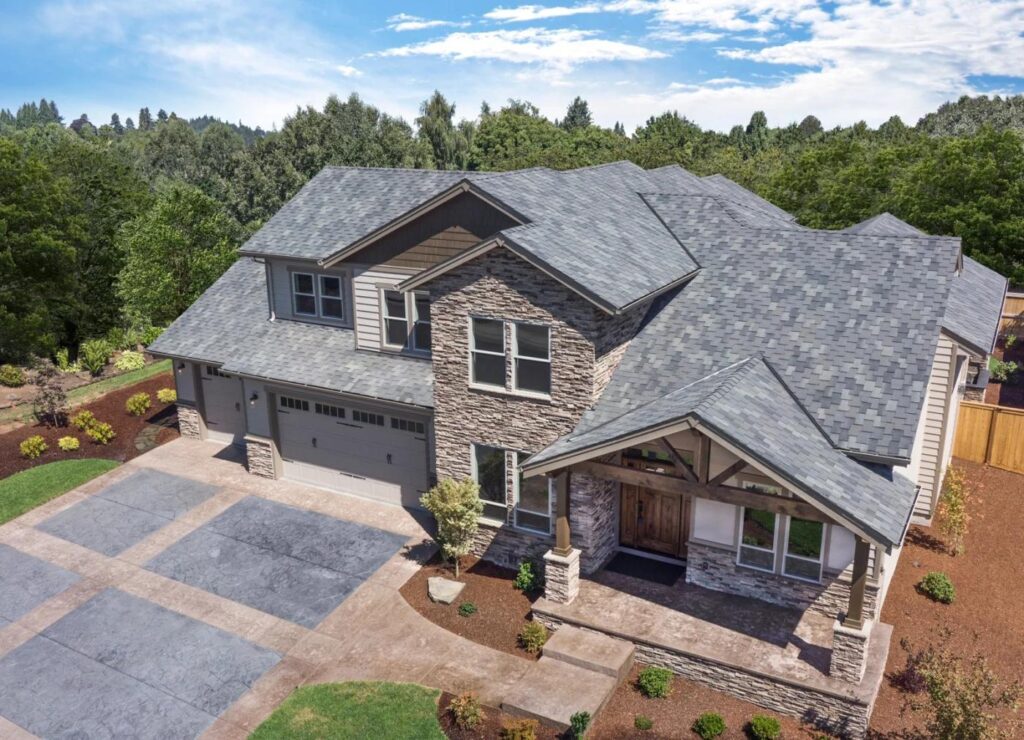
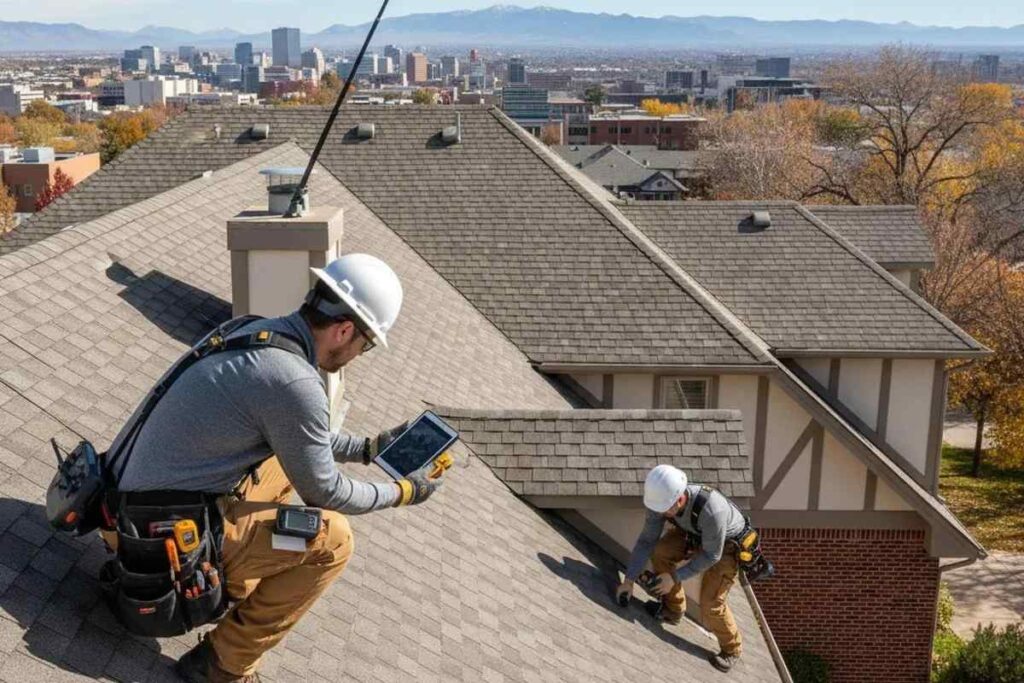
A wide shot of a Denver home with the Rocky Mountains in the background, showing a freshly installed asphalt or metal roof. This sets the local scene immediately and builds trust.
If you’re a Denver homeowner, you already know that Colorado weather is no joke when it comes to your roof. Sudden hailstorms, heavy snowfall, intense UV exposure, and dramatic freeze-thaw cycles put roofs in the Mile High City through more wear and tear than most places in the country. That’s why so many Denver homeowners find themselves needing a roof replacement sooner than expected – sometimes after just 15 to 20 years, compared to the 25 to 30-year lifespan homeowners in milder climates enjoy.
Before you start calling roofers, it’s important to understand what roof replacement in Denver actually costs. Your final price depends on a host of variables: roof size, material choice, structural complexity, and local labor rates. This guide breaks down everything you need to know about pricing, materials, and cost factors so you can plan your budget with confidence.
What Is the Average Roof Replacement Cost in Denver?
An infographic or simple visual showing the price range ($7,400 – $16,500) with icons for different roofing materials. This works great near the top of a cost-focused section.
Most Denver homeowners pay between $7,400 and $16,500 for a complete roof replacement in 2026. For asphalt shingles specifically, the reported average sits around $11,700. National data shows typical replacement costs ranging from $5,800 to $19,800, averaging around $11,000 — but Denver’s unique weather conditions, higher labor costs, and local building code requirements can push that number up.
Asphalt shingles remain the most popular roofing material in Denver and are generally the most affordable option. On a typical 1,700 to 2,000 square foot home, an asphalt shingle roof runs between $8,000 and $14,000, depending on shingle quality and installation complexity.
Contractors typically price roof replacement by square footage, either per square foot or by roofing squares (one roofing square equals 100 square feet). In Denver, you can expect to pay:
- $4 to $6 per square foot for asphalt shingles
- $7 to $18 per square foot for metal or tile roofing
These rates include both materials and labor.
Roof Replacement Cost in Denver by Roofing Material
A side-by-side comparison photo showing four different roof types – asphalt shingles, metal standing seam, tile, and flat roof – on different Denver-style homes. Place this just above or within this section.
The type of roofing material you choose will have the single biggest impact on your total project cost. Here’s what to expect for the most common materials in Denver.
Asphalt Shingle Roof Cost
Asphalt shingles are the go-to choice for Denver homeowners because of their affordability, durability, and wide variety of styles. Standard three-tab shingles are the most economical option, while architectural or dimensional shingles offer better curb appeal and a longer lifespan.
- Cost range: $6,500 – $13,000 for a typical 1,500 – 2,000 sq ft roof
- Per square foot: $4 – $6
- Lifespan: 15 – 25 years
Asphalt shingles perform well in Denver’s climate, especially when you choose impact-resistant options rated for hail. Premium architectural shingles typically run $5 – $6 per square foot, while basic three-tab shingles come in around $4 – $5.
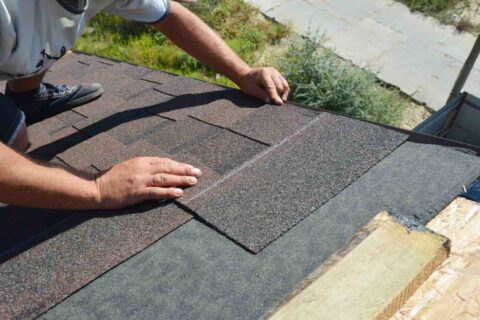
A close-up of architectural asphalt shingles being installed on a Denver roof, ideally showing the layering process or a finished section.
Metal Roof Replacement Cost
Metal roofing is growing rapidly in popularity across Colorado, thanks to its exceptional durability, energy efficiency, and ability to shed snow easily. Metal roofs last 40 to 70 years and are highly resistant to hail, fire, and wind damage.
- Cost range: $10,500 – $22,000 for a typical 1,500 – 2,000 sq ft roof
- Per square foot: $7 – $11 for standard steel or aluminum; $15+ for premium materials
- Lifespan: 40 – 70 years
While metal roofs cost significantly more upfront, they often pay for themselves over time through reduced maintenance and energy savings. Standing seam metal roofs are the most popular style in Denver, offering superior weather protection.
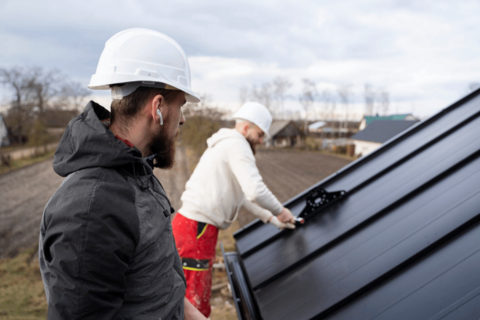
A standing seam metal roof on a modern Denver home, ideally showing snow sliding off the surface — this visually communicates the weather-performance benefit instantly.
Tile Roof Replacement Cost
Tile roofs – whether clay or concrete — offer a distinctive Southwestern aesthetic and incredible longevity. They’re heavy, fireproof, and extremely durable, but they require a strong roof structure and professional installation.
- Cost range: $18,000 – $35,000+ for a typical home
- Per square foot: $10 – $20
- Lifespan: 50 – 100 years
Tile is less common in Denver due to its weight, cost, and the challenges that freeze-thaw conditions create during installation. That said, it’s an excellent long-term investment for homeowners who want a premium, low-maintenance roof.
Flat Roof Replacement Cost
Flat or low-slope roofs are common on commercial buildings and some modern residential designs. Materials include TPO, EPDM rubber, and modified bitumen.
- Cost range: $6,000 – $12,000 for a typical residential flat roof
- Per square foot: $5 – $10
- Lifespan: 15 – 30 years
Flat roofs require careful installation and diligent maintenance to prevent pooling water and leaks — especially during Denver’s heavy snowfall season.
Premium and Impact-Resistant Roofing Cost
A close-up photo showing hail damage on a standard shingle next to an intact Class 4 impact-resistant shingle. This is a high-impact visual that immediately justifies the upgrade cost.
Given Denver’s frequent hailstorms, many homeowners choose Class 4 impact-resistant shingles or reinforced metal roofing. These materials are specifically engineered to handle hail damage and can sometimes lower your homeowners’ insurance premiums.
- Cost range: $8,500 – $16,000 for impact-resistant asphalt shingles
- Per square foot: $5.50 – $8
- Lifespan: 25 – 50 years
Impact-resistant roofing is one of the smartest investments you can make in the Denver metro area, given how regularly hail events occur in spring and summer.
Roof Replacement Cost by Home Size
A simple comparison table or illustrated graphic showing cost ranges by home size. Even a clean screenshot of a well-formatted table works here — easy for readers to scan and share.
Your home’s footprint directly affects the amount of roofing material and labor required. Keep in mind that your actual roof surface area is typically 10 to 20 percent larger than your home’s square footage, due to roof pitch and overhangs.
1,000 Sq Ft Roof
- Asphalt shingles: $4,300 – $6,800
- Metal roofing: $7,000 – $11,000
Best applies to small homes, townhouses, or simple ranch-style homes.
1,500 Sq Ft Roof
- Asphalt shingles: $6,500 – $10,200
- Metal roofing: $10,500 – $16,500
A common size for single-story or modest two-story Denver homes. The average asphalt shingle cost at this size runs around $8,300.
2,000 Sq Ft Roof
- Asphalt shingles: $8,600 – $13,600
- Metal roofing: $14,000 – $22,000
Many suburban Denver homes fall into this range, especially two-story models with moderate roof complexity. Expect to pay around $11,000 – $12,000 for a standard asphalt shingle installation.
2,500+ Sq Ft Roof
- Asphalt shingles: $10,800 – $17,000
- Metal roofing: $17,500 – $27,500+
Larger homes, multi-level designs, and homes with complex rooflines sit at the higher end. Premium materials and complex installations can push costs even higher.
These figures are ballpark estimates for standard installations. Your actual cost will vary based on pitch, material choice, structural repairs needed, and the complexity of your roof design.
What Affects Roof Replacement Cost in Denver?
A split image – one side showing a steep, complex roofline and the other a simple flat-pitch ranch roof. This visually explains why pitch and complexity drive cost differences.
Understanding what drives your roof replacement cost up or down helps you budget more realistically and avoid unpleasant surprises.
Roof Size and Pitch
The larger your roof, the more materials and labor are required. Roof pitch — how steep the slope is — also makes a significant difference. Steep roofs are more difficult and time-consuming to install, requiring additional safety equipment and often extra underlayment or fasteners. Roofs with a pitch of 6/12 or higher can cost 10 to 20 percent more to replace due to the added difficulty and safety requirements.
Roofing Material Choice
As outlined above, material selection is the single biggest cost variable. Asphalt shingles run $4 – $6 per square foot, while metal ($7 – $11), tile ($10 – $20), and specialty materials offer greater longevity at significantly higher upfront costs.
Tear-Off and Disposal Fees
Most roof replacements require a complete tear-off of the old roof — removing old shingles, underlayment, and flashing before disposing of the debris. In Denver, tear-off and disposal typically adds $1,000 – $2,500 to your total cost for an average residential roof, depending on the number of layers being removed and current landfill fees.
Underlayment and Decking Repairs
Once the old roof is removed, contractors inspect the roof decking for rot, water damage, or structural issues. If repairs are needed, budget an additional $2 – $5 per square foot for new decking. Quality underlayment — particularly synthetic or rubberized ice-and-water shield — also adds cost but provides critical moisture protection. Plan for an extra $500 – $2,000 for premium underlayment materials.
Flashing, Ventilation, and Accessories
Proper flashing around chimneys, skylights, and valleys is essential to preventing leaks. Upgrading or replacing flashing, ridge vents, soffit vents, or adding drip edges can add $500 – $2,500 to your project. In Denver, many homeowners with metal roofs also install snow guards to prevent dangerous snow avalanches, which typically add around $1,500 to the installation cost.
Labor Costs in Denver
Labor accounts for roughly 40 to 50 percent of your total roof replacement cost. In Denver, skilled roofing labor rates run approximately 5 to 20 percent higher than in surrounding areas like Aurora or Lakewood, with labor typically priced at $1.80 to $3.50 per square foot. This reflects Denver’s higher cost of living, altitude considerations, stricter permitting requirements, and strong demand for experienced professionals.
Permits and Code Requirements
Most roof replacements in Denver require a building permit, which typically costs $150 – $400, though larger projects can reach $400 – $600. Your contractor should handle permit applications — make sure this is included in your estimate. Denver also has specific building codes related to wind uplift, snow load, and fire resistance that may affect material choices and installation methods.
Storm or Hail Damage
Storm damage often requires more extensive repairs, including decking replacement and upgraded materials. The upside: many insurance policies cover storm-related roof replacement, which we cover in the next section.
Denver Weather and Why It Impacts Roofing Costs
A dramatic photo of a Denver hailstorm in progress, or hail collected on the ground next to a home – something that viscerally communicates the threat Colorado weather poses to roofing.
Denver’s climate is beautiful, but it is genuinely hard on roofs. Here’s how local weather conditions drive up replacement costs and influence material decisions.
Hail – Colorado is among the top states for hail damage. The Denver metro area is hit by late-spring and summer hailstorms that break shingles, dent metal roofs, and dramatically shorten roof life. The June 2017 hailstorm caused widespread damage across the metro area and serves as a reminder of why impact-resistant materials matter.
Heavy Snow and Ice — Denver averages 50 to 60 inches of snow annually — double the national average. Accumulated snow adds weight and stress to roofing systems, and ice dams can lead to leaks and serious water damage. Proper underlayment, ventilation, and snow-shedding materials like metal are essential.
Sun and UV Exposure — At 5,280 feet above sea level, Denver receives significantly more intense UV radiation than lower-elevation cities. UV exposure causes granule loss, cracking, and fading, potentially shaving years off the lifespan of standard asphalt shingles.
Freeze-Thaw Cycles — Temperature swings of 40 or more degrees in a single day are common in Denver. This constant expansion and contraction forces roofing materials to work hard, leading to cracks, warping, and fastener pops over time.
Due to all of these factors, many Denver homeowners now opt for impact-resistant shingles, metal roofing, or other premium materials engineered for Colorado’s harsh conditions. While these options carry higher upfront costs, they tend to save money over the long term through fewer repairs and a longer roof lifespan.
Does Insurance Cover Roof Replacement in Denver?
A homeowner reviewing paperwork with a roofing contractor on-site, or a close-up of an insurance claim form next to photos of roof damage. This humanizes the claims process.
Homeowners insurance may cover roof replacement, but it depends on the cause of damage and the specifics of your policy.
When Insurance Typically Helps
Hail or storm damage — If your roof is damaged by hail, wind, or a fallen tree, your policy will likely cover replacement minus your deductible. Denver’s frequent hailstorms make this the most common scenario.
Sudden, accidental damage — Events like fire or structural collapse are usually covered.
When Insurance Won’t Help
Wear and tear — If your roof is simply old or deteriorating from age, insurance will not pay for replacement.
Neglect or poor maintenance — If damage results from a lack of upkeep, claims may be denied.
What to Know Before Filing a Claim
Most policies carry a deductible of $1,000 – $2,500 or more, which you’ll pay out of pocket. Your insurer will send an adjuster to inspect the damage and determine coverage. Document damage with photos and get a professional roof inspection before filing. Working with a contractor experienced in insurance claims helps ensure nothing is missed and that the process moves smoothly.
Roof Repair vs. Roof Replacement: Which Is More Cost-Effective?
A before-and-after photo — one side showing a roof with localized shingle damage, the other showing a fully replaced roof. This works perfectly for this comparison section.
Not every damaged roof needs a full replacement. Sometimes a targeted repair can buy you several additional years.
When a Repair May Be Enough
- Your roof is less than 10 to 12 years old
- Damage is isolated to a small, localized area
- No widespread granule loss, curling, or cracking is present
- No signs of water damage inside the home
- You plan to sell within a few years
Minor repairs in Denver typically cost $287 – $980, with an average of around $627. Replacing missing shingles or fixing flashing can be highly cost-effective in these situations.
When Full Replacement Makes More Financial Sense
- Your roof is 15 years old or more
- You’ve had multiple repairs in recent years
- Leaks are widespread or recurring
- Shingles are curling, cracking, or missing across multiple areas
- Energy bills are rising due to poor insulation or ventilation
- You plan to stay in your home long-term
While replacement costs more upfront ($7,400 – $16,500+), it’s typically the smarter long-term investment. A new roof can last 20 to 50 years or more, improve energy efficiency, increase your home’s value by 60 to 70 percent, and eliminate the ongoing hassle of frequent repairs.
Signs You May Need a Roof Replacement
A photo collage showing four common warning signs — curling shingles, granule loss in gutters, a ceiling water stain, and a sagging roofline. Label each one clearly. Extremely useful as a visual reference for homeowners.
Not sure whether your roof is at the end of its life? Watch for these warning signs:
Missing or curling shingles — Curled, cracked, or missing shingles signal age and weather damage from Denver’s freeze-thaw cycles and UV exposure.
Granule loss — Finding granules in your gutters or noticing bald patches on shingles means they’re nearing the end of their life — especially common in Denver due to intense UV radiation.
Water stains on ceilings — Brown or yellow stains inside your home indicate active leaks that may be causing hidden structural damage.
Sagging roof areas — Sagging or uneven rooflines point to structural damage, decking failure, or water damage — particularly serious after heavy Denver snow loads.
Repeated repairs — If you’re calling a roofer every year for fixes, replacement is likely more cost-effective than continued patching.
Roof nearing the end of its lifespan — If your asphalt shingle roof is 18 to 20 years old or older, start planning for replacement even if it looks acceptable from the ground.
When in doubt, schedule a professional inspection. Most Denver roofing companies offer free inspections and can give you an honest assessment of your roof’s actual condition.
How to Get an Accurate Roof Replacement Estimate in Denver
Schedule a Professional Roof Inspection
A reputable contractor will inspect your roof in person — don’t rely on estimates based solely on phone calls or satellite photos. The inspector should evaluate the roof surface, decking, flashing, ventilation, and attic for signs of damage or wear, and confirm how many layers currently exist.
Compare Multiple Quotes
Obtain at least three written estimates from licensed Denver roofing contractors. This lets you compare pricing, materials, warranties, and scope of work side by side. Be cautious of bids that are significantly lower than others — low estimates often exclude critical items like synthetic underlayment, decking repairs, proper ventilation upgrades, or quality materials.
Ask Exactly What Is Included
A photo of a contractor presenting a written estimate to a homeowner at a kitchen table or on-site. This reinforces the professionalism and transparency message.
A detailed estimate should include all of the following:
- Tear-off and disposal of old roofing materials
- New underlayment with type specified (felt vs. synthetic)
- Decking inspection and repair costs or a contingency budget
- Roofing material specifications, including brand, type, color, and warranty
- Flashing replacement around all penetrations
- Drip edge, ridge vents, and proper ventilation components
- Labor and installation costs
- Permits and required inspections
- Cleanup and debris removal
- Warranty coverage for both materials and workmanship
If anything isn’t listed, ask about it directly. Many disputes arise from unclear scopes of work.
Review Warranty Coverage
Quality roofing materials come with manufacturer warranties – often 20 to 50 years on materials. Reputable contractors provide workmanship warranties, typically five to ten years. Make sure both are documented in writing, and understand what actions could void coverage.
Check Licensing and Insurance
Verify that your contractor is registered with the Colorado Department of Regulatory Agencies, carries general liability insurance with a minimum of $1 million coverage, and provides workers’ compensation for all employees. This protects you from liability if an accident occurs on your property. Ask for a Certificate of Insurance and verify it directly with the insurance company.
How to Save Money on a New Roof in Denver
Compare quotes carefully – Don’t default to the cheapest bid. Look for the best value based on materials, warranties, contractor reputation, and what’s actually included in the scope.
Consider strategic timing — Roofing companies are busiest from late spring through early fall. Scheduling in late fall (September – October) or early spring (March – April) may yield better pricing and faster scheduling, as long as temperatures remain above 45°F for proper material installation.
Ask about financing — Many contractors offer financing options with low or zero interest for qualified homeowners, making a quality roof more accessible by spreading payments over time.
Check insurance eligibility — If you’ve had hail or storm damage within the past year, file a claim. Your insurance may cover most or all of the replacement cost.
Invest in durable materials — Impact-resistant shingles or metal roofing may cost 10 to 30 percent more upfront but can reduce future repair costs, lower insurance premiums, and extend your roof’s life significantly.
Bundle with other exterior work — If you also need siding, gutters, or window replacement, doing these projects together may qualify you for volume discounts.
Why Denver Homeowners Should Not Choose Based on Price Alone
It’s tempting to go with the lowest bid — but cheap roofing consistently costs more over time. Here’s why:
Cheap bids often exclude key items — Low estimates frequently skip critical components like synthetic underlayment, ice-and-water shield, proper ventilation upgrades, or adequate decking repairs, creating problems within months or years.
Poor installation can void warranties — Many manufacturer warranties require certified installation by approved contractors. If your roofer cuts corners or isn’t certified, you could lose your 25 to 50-year material warranty entirely.
Colorado conditions demand expert work — Denver’s extreme climate demands expert installation. Poorly installed flashing is the number one cause of roof leaks. Improperly secured shingles blow off in high winds. Inadequate ventilation leads to ice dams and premature shingle failure.
Hidden costs emerge mid-project — Contractors who lowball estimates often surface “unexpected” charges for decking repairs, flashing, or other extras that should have been included from day one.
Choose your contractor based on verified customer reviews, demonstrated experience with Denver weather and insurance claims, transparent and itemized pricing, quality materials and proper installation methods, strong warranties on both materials and workmanship, and confirmed licensing and insurance.
A roof installed the first time correctly saves you thousands in repairs and headaches over its entire lifespan.
Frequently Asked Questions About Roof Replacement Cost in Denver
A friendly photo of a roofing professional answering questions for a homeowner during an on-site visit. Place this near the top of the FAQ section to add warmth and approachability.
How much does a roof replacement cost in Denver?
Most Denver homeowners pay between $7,400 and $16,500 for a complete roof replacement, with an average of around $11,700 for asphalt shingles on a typical home. Costs vary based on roof size, material choice, pitch, and complexity.
What is the average cost per square foot for a new roof in Denver?
Roof replacement in Denver typically costs $4 to $11 per square foot, depending on the material. Asphalt shingles run $4 – $6 per square foot, metal roofs cost $7 – $11, and premium tile can exceed $10 – $20 per square foot.
Does insurance pay for roof replacement after hail damage?
Yes, most homeowners’ insurance policies cover replacement when damage is caused by hail, wind, or storms – all common in Denver. You’ll need to file a claim within a reasonable timeframe, have an adjuster inspect, and pay your deductible. Normal wear and tear is not covered.
Is metal roofing worth the cost in Denver?
Absolutely. Metal roofing costs roughly twice as much as asphalt shingles upfront, but lasts 40 to 70 years compared to 15 to 25 for asphalt. It resists hail, sheds snow easily, requires minimal maintenance, and can lower energy costs — making it a strong long-term investment for Denver homeowners.
How long does a roof replacement take?
Most residential replacements in Denver take one to three days, depending on size and complexity. Weather delays can extend the timeline.
Can I finance a roof replacement?
Yes. Many Denver contractors offer financing, including programs with 0% interest for 12 to 24 months. Other options include home equity loans, HELOCs, personal loans, or rewards credit cards.
How do I know if I need repair or replacement?
If your roof is under 10 to 12 years old and damage is localized, a repair costing $300 – $1,000 may be sufficient. If your roof is 15 or more years old, has widespread damage, recurring leaks, or significant granule loss, replacement is likely the more cost-effective choice. Schedule a free professional inspection to get an accurate assessment.
Get a Roof Replacement Estimate in Denver
A polished photo of a completed roof replacement on a Denver home — clean lines, great curb appeal, ideally with blue sky above. This is your strongest closing visual and reinforces a positive outcome for the reader.
Your roof is one of the most important investments you’ll make in your home. Don’t leave it to chance — work with a local Denver roofing company that understands Colorado weather, values transparent pricing, and delivers quality craftsmanship.
At 303 Roofer, we specialize in storm damage assessment, hail-resistant materials, and expert roof replacements throughout the Denver metro area. Whether you’re dealing with hail damage, aging shingles, or planning a proactive upgrade, we’re here to help with:
- Free professional roof inspections with detailed damage assessment
- Transparent, itemized estimates with no hidden fees
- Insurance claim assistance to maximize your coverage
- High-quality materials, including Class 4 impact-resistant shingles and premium metal roofing
- Expert installation by licensed, insured professionals
- Strong warranties on both materials and workmanship
Contact us today for a free roof inspection and transparent estimate. Let’s protect your home with a roof built to withstand Denver’s toughest weather – hail, snow, sun, and everything in between.

Related Blog Articles