Roofer in Aurora CO: Your Guide to Finding the Right Roofing Contractor
Finding the right roofer in Aurora CO is an important decision for any homeowner or commercial property owner. Your roof protects your property from Colorado’s changing weather, including hailstorms, heavy snow, strong winds and intense sunshine. When damage occurs, choosing an experienced and trustworthy contractor can make a significant difference in the quality and longevity of the work.
A reliable roofer in Aurora CO should understand the area’s climate, housing styles and the roofing challenges local properties face. From older homes with aging shingles to newer developments and commercial buildings with low-slope roofing systems, Aurora properties require solutions based on their specific needs.
Whether you need a professional roof inspection, storm damage repair or a complete replacement, working with the right roofer in Aurora CO can help you make an informed decision. The team at 303 Roofers provides professional roofing support for homeowners and property owners throughout the Denver metro area.
This guide explains what to look for in a roofing contractor, which questions to ask and how to choose a roofing company that is right for your Aurora property.
Why Aurora Properties Need Experienced Roofing Professionals
Aurora’s location and climate create a range of challenges for residential and commercial roofing systems.
Colorado weather can change quickly. Hail, wind, snow, freezing temperatures and strong UV exposure can all affect the condition of a roof over time. Even when a roof looks undamaged from the ground, storms can cause issues with shingles, flashing, vents and other roofing components.
Aurora also has a diverse range of properties. Older neighbourhoods may have roofs that have experienced years of weather exposure, while newer homes still need protection from severe storms and seasonal temperature changes.
Property owners may also have different roofing systems, including:
- Asphalt shingle roofs
- Metal roofing systems
- Flat roofs
- Low-slope commercial roofs
- Membrane roofing systems
Each type of roof has different maintenance needs, materials and repair requirements. That is why choosing a contractor with experience relevant to your particular roofing system is important.
What to Look for When Choosing a Roofer in Aurora CO
Not every roofing company offers the same level of experience, communication or service. Before hiring a contractor, take time to evaluate several important factors.
Check Insurance and Business Credentials
A professional roofing contractor should be prepared to discuss their insurance coverage and business credentials.
Before signing a contract, ask about:
- General liability insurance
- Workers’ compensation coverage
- Business registration
- Required permits for the project
- Manufacturer certifications, where relevant
Request documentation when appropriate rather than relying only on verbal assurances.
Proper insurance is especially important because roofing work involves potential risks. A contractor should have appropriate coverage for their team and operations.
Look for Local Experience
Local experience can be valuable when choosing a roofing contractor.
A company that regularly works in Aurora and the Denver metro area is more likely to understand common weather-related roofing concerns and the needs of local property owners.
When researching a company, consider checking:
- Online reviews
- Previous project examples
- Customer references
- Local business information
- The company’s history and experience
Look beyond the total number of reviews. Reading customer feedback can help you understand how a company communicates, handles problems and manages projects.
Ask About Storm Damage Experience
Storm damage is a major concern for many Colorado property owners.
A professional roofing contractor should be able to inspect your roof thoroughly and explain what they find. If you believe your roof has been damaged by hail or another weather event, ask the contractor about their experience with:
- Storm damage inspections
- Documenting visible damage
- Working alongside insurance adjusters
- Preparing project estimates
- Identifying related roofing concerns
A trustworthy contractor should provide clear information without pressuring you to make an immediate decision.
Make Sure They Understand Your Roofing System
Different roofing systems require different skills.
For example, flat and low-slope roofs may use materials such as TPO, EPDM, PVC or modified bitumen. These systems have different installation and repair requirements from traditional asphalt shingle roofs.
If your property has a specialised roofing system, ask the contractor about previous experience with that type of work.
Requesting information about similar completed projects can help you evaluate whether the company is a suitable match.
Signs You May Need a Roofing Inspection
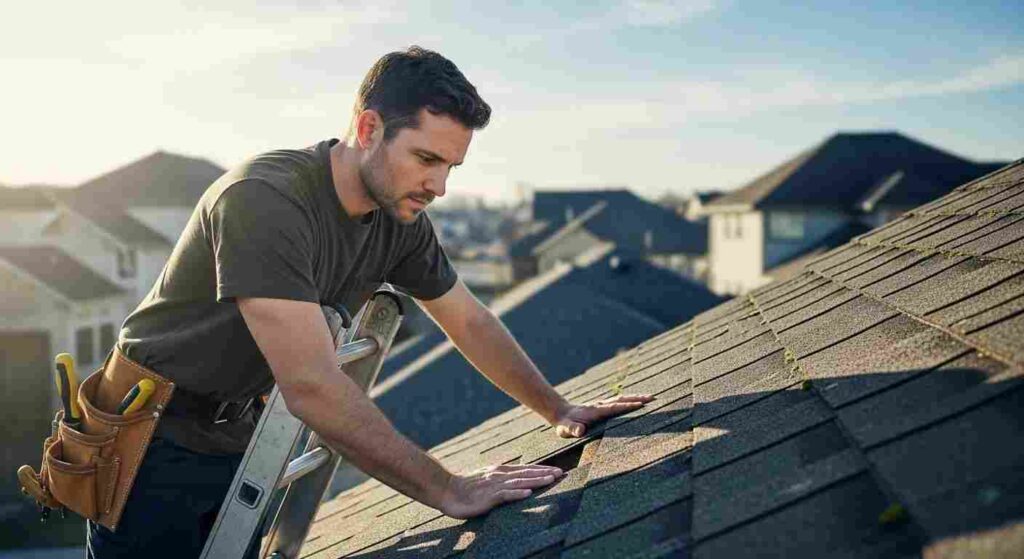
Many roofing problems begin as small issues that are difficult to notice from the ground. Scheduling an inspection can help identify concerns before they become more extensive.
Consider contacting a roofing professional if you notice:
- Missing, cracked or damaged shingles
- Water stains on ceilings or walls
- Granules collecting in gutters
- Damaged flashing around vents or chimneys
- Visible sagging or uneven areas
- Leaks after heavy rain or snow
- Damage following a hailstorm
- An aging roof approaching the end of its expected service life
A professional inspection can provide a clearer picture of your roof’s current condition.
It is generally better to address roofing concerns early. Small repairs may help prevent moisture from reaching other parts of the property and causing more significant damage.
Understanding Roofing Costs in Aurora
Roofing costs can vary considerably depending on the type and size of the project.
Factors that may influence the cost include:
- Roof size and complexity
- Roof pitch
- Roofing material
- Accessibility
- The condition of the existing roof
- Whether old materials need to be removed
- Required repairs to the underlying structure
- Permit requirements
For this reason, it is difficult to provide one price that applies to every property.
Common Roofing Services and Cost Factors
| Roofing Service | Factors That Can Affect the Cost |
| Roof inspection | Property size and inspection scope |
| Minor roof repair | Type and extent of damage |
| Leak repair | Source and severity of the leak |
| Roof replacement | Materials, size and roof complexity |
| Storm damage repair | Extent of weather-related damage |
| Flat roof repair | Membrane type and affected area |
The best way to understand the potential cost of a roofing project is to request a detailed estimate.
A written estimate should clearly explain the proposed work, materials and other relevant costs. If something is unclear, ask questions before approving the project.
Questions to Ask Before Hiring a Roofing Contractor
Choosing a roofer should involve more than comparing prices.
Before making a decision, consider asking these questions:
Are You Properly Insured?
Ask the contractor about their liability and workers’ compensation coverage. Request documentation if necessary.
Do You Have Experience With My Type of Roof?
Whether you have asphalt shingles, metal roofing or a low-slope system, experience with the specific material matters.
Will You Provide a Written Estimate?
A clear written estimate helps you understand the scope of work and reduces the risk of misunderstandings.
Who Will Perform the Work?
Ask whether the company uses its own employees, subcontractors or a combination of both.
What Warranties Are Available?
Discuss workmanship and manufacturer warranties. Make sure you understand what is covered and any conditions that may apply.
Who Handles Permits?
Clarify who is responsible for determining whether permits are required and managing the process.
Asking the right questions can help you compare contractors based on service quality and experience rather than price alone.
Red Flags to Watch Out for When Hiring a Roofer
Property owners should be cautious when a roofing contractor uses high-pressure sales tactics.
Some warning signs include:
Pressure to Sign Immediately
A professional contractor should give you a reasonable opportunity to review an estimate and ask questions.
Be cautious if someone insists that you must sign a contract immediately to receive a particular offer.
No Clear Business Information
A roofing company should be able to provide clear contact and business information.
If you cannot verify the company’s identity, location or previous work, consider researching further before making a commitment.
Unclear or Incomplete Estimates
A vague estimate can lead to confusion about what work is included.
Look for a written proposal that clearly describes the project.
Requests for Unusually Large Upfront Payments
Payment arrangements can vary, but you should understand the payment schedule before work begins.
Ask questions if the requested payment structure seems unusual or is not clearly explained in the contract.
Promises That Sound Too Good to Be True
Be cautious about guarantees or promises that seem unrealistic.
A reputable contractor should provide an honest assessment of your roof rather than promising a particular outcome before completing a proper inspection.
Why Local Roofing Knowledge Matters
A roofing company with experience in the Denver metro area understands that Colorado roofs can face multiple weather conditions throughout the year.
Local knowledge can help contractors consider issues such as:
- Hail exposure
- Wind damage
- Snow and ice
- Rapid temperature changes
- UV exposure
- Seasonal maintenance needs
A local contractor can also provide practical advice based on the type of property and roofing system you own.
If you are comparing local roofing options, professional roofing services from 303 Roofers can help you understand your property’s roofing needs and available solutions.
Residential and Commercial Roofing Needs Are Different
Although residential and commercial roofs serve the same fundamental purpose, their design and maintenance needs can be very different.
Residential Roofing
Residential roofs often feature sloped designs and materials such as:
- Asphalt shingles
- Metal panels
- Tile or other specialised materials
Common concerns include missing shingles, leaks, flashing damage and storm-related issues.
Commercial and Low-Slope Roofing
Commercial buildings often use flat or low-slope roofing systems.
These roofs may require specialised materials and installation methods. Water drainage, membrane condition and seam integrity can all be important considerations.
When hiring a contractor, make sure their experience matches the type of property and roofing system involved.
What to Expect During a Professional Roof Inspection
A thorough inspection should involve more than simply looking at a few shingles.
Depending on the property and roofing system, a contractor may inspect:
- Shingles or roofing membranes
- Flashing
- Roof penetrations
- Vents
- Drainage areas
- Gutters
- Visible signs of storm damage
- Areas showing potential moisture concerns
After the inspection, the contractor should explain their findings in clear language.
You should understand:
- The current condition of your roof.
- Any problems identified.
- Whether repairs are recommended.
- Whether a replacement should be considered.
- What the proposed next steps involve.
A good inspection gives you information you can use to make a confident decision.
How to Prepare for a Roofing Project
Once you have selected a contractor, a little preparation can make the process easier.
Clear the Area Around Your Home
Move vehicles, outdoor furniture and other items away from the work area when possible.
Protect Items Inside the Property
Roofing work can create vibrations. Consider securing fragile items on walls or shelves.
Discuss Access Before Work Begins
Ask the contractor where equipment and materials will be placed and whether access to particular areas is required.
Keep Children and Pets Safe
A roofing project involves tools, materials and workers moving around the property. Plan ahead to keep children and pets away from active work areas.
Review the Project Plan
Before work begins, make sure you understand the expected schedule, scope of work and communication process.
Good communication helps both the homeowner and contractor manage expectations throughout the project.
How Often Should Aurora Homeowners Inspect Their Roofs?
Regular inspections can help property owners identify potential issues early.
Many homeowners choose to have their roofs checked periodically and after significant weather events.
You may want to schedule an inspection:
- After a major hailstorm
- After unusually strong winds
- Following severe winter weather
- When you notice signs of a leak
- Before listing a property for sale
- As your roof approaches the later stages of its expected lifespan
The right inspection schedule depends on the age, material and condition of your roof.
If you are unsure whether your property needs an inspection, speaking with a local roofing professional can help you determine the next appropriate step.
Choosing the Right Roofing Material for Your Aurora Property
A roof replacement provides an opportunity to consider which material is most appropriate for your property.
Asphalt Shingles
Asphalt shingles are widely used on residential properties and are available in different styles and performance levels.
Impact-Resistant Shingles
Some homeowners consider impact-resistant materials because of Colorado’s weather conditions. However, the right choice depends on your property, budget and other factors.
Metal Roofing
Metal roofing can provide a distinctive appearance and different performance characteristics. Installation requirements and costs can differ from shingle roofing.
Flat Roofing Membranes
Low-slope and flat roofs may use membrane systems designed for their specific drainage and weather exposure requirements.
A roofing professional can explain the advantages and limitations of different materials based on your property.
Frequently Asked Questions About Hiring a Roofer in Aurora CO
Q1. Do I need a permit for roof work in Aurora?
Ans: Permit requirements depend on the type and scope of the project. Your roofing contractor should help you understand whether a permit is required and how the process will be handled.
Q2. How often should I have my roof inspected?
Ans: The ideal inspection schedule depends on the age and condition of your roof. Many homeowners arrange periodic inspections and schedule an additional inspection after significant weather events.
Q3. Can roofing work be completed during winter?
Ans: Some roofing repairs and projects can be completed during winter, depending on weather conditions and the materials being used. Your contractor can explain whether conditions are suitable for your specific project.
Q4. How can I verify a roofer’s insurance?
Ans: Ask the contractor for appropriate insurance documentation and, where necessary, verify the information with the relevant insurance provider.
Q5. How do I know if my roof has hail damage?
Ans: Hail damage may not always be visible from the ground. A professional inspection can identify visible signs of damage and help you understand the condition of your roofing system.
Q6. Should I repair or replace my roof?
Ans: The answer depends on the age of the roof, the extent of the damage and the overall condition of the roofing system. A professional inspection can help you compare the available options.
Q7. What should a roofing estimate include?
Ans: A detailed estimate should explain the scope of work, materials, labour and other relevant project costs. Ask for clarification about anything you do not understand before signing an agreement.
Contact 303 Roofers for Roofing Support in Aurora
Your roof is an important part of your property’s protection. Whether you are dealing with storm damage, a leak, an aging roof or simply want a professional inspection, choosing the right contractor can help you move forward with greater confidence.
The team at 303 Roofers can help Aurora homeowners and property owners understand their roofing needs and explore suitable solutions.
Contact an experienced roofing professional to discuss your property, request an inspection or learn more about your available options. You can also follow 303 Roofers on Facebook for roofing updates and helpful information.
A professional assessment is the first step toward understanding your roof’s condition and making the right decision for your property.

Related Blog Articles