Roof Ventilation Problems: 8 Warning Signs Every Denver Homeowner Should Know
Roof ventilation problems signs are often overlooked until they lead to expensive roof repairs, moisture damage or uncomfortable indoor temperatures. Poor attic ventilation can allow heat and moisture to accumulate, affecting your roofing materials, insulation and indoor environment. Recognising roof ventilation problems signs early can help Denver homeowners address small issues before they become major repairs. From excessive attic heat to winter ice dams, understanding roof ventilation problems signs is an important part of protecting your home.
Your attic plays a critical role in your roofing system. It needs an appropriate balance of intake and exhaust ventilation to help manage heat and moisture throughout the year. When that airflow is restricted or incorrectly designed, problems can develop gradually.
At 303 Roofers, we help homeowners across the Denver metro area identify roofing concerns and understand the repairs needed to protect their properties.
How Roof Ventilation Is Supposed to Work
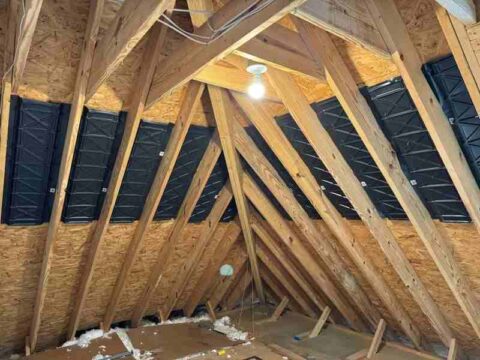
A properly designed attic ventilation system allows outside air to enter through intake vents and exit through exhaust vents.
Intake vents are commonly installed along the soffits beneath the roof overhang. Exhaust vents are typically positioned near the roof ridge or upper roof area.
In a balanced system, outside air enters through the lower vents, travels through the attic or designated ventilation channels and exits through the upper vents.
This airflow helps manage two important conditions:
During summer: Ventilation helps remove accumulated heat from the attic. Excessive attic heat can increase the cooling load on your home and contribute to uncomfortable indoor conditions.
During winter: Ventilation helps manage attic moisture and supports a consistently cold roof deck. However, ventilation alone does not prevent ice dams. Proper attic insulation, air sealing and moisture control are also essential.
Why balanced ventilation matters
A ventilation system needs both sufficient intake and exhaust capacity. Installing additional exhaust vents without considering intake airflow may not solve the problem.
The required ventilation area depends on factors such as attic configuration, roof design, insulation, air barriers and applicable building requirements.
The International Residential Code includes ventilation provisions, including a general 1:150 net-free-vent-area ratio and conditions under which a 1:300 ratio may be permitted. The correct design should be assessed against the applicable code and property conditions.
8 Warning Signs of Poor Roof Ventilation
Recognising the symptoms of poor attic airflow can help you arrange an inspection before moisture or heat causes further deterioration.
1. Excessive Heat in the Attic
An unusually hot attic during summer may indicate insufficient ventilation, inadequate insulation or other building-envelope problems.
If your attic feels extremely hot compared with the outdoor environment, airflow is worth investigating. However, some temperature difference is normal because the roof absorbs direct sunlight.
You should also consider:
- Whether soffit vents are blocked.
- Whether insulation is obstructing ventilation channels.
- Whether exhaust vents are working properly.
- Whether the attic has adequate insulation and air sealing.
Excessive heat can contribute to uncomfortable upper-floor temperatures and increased cooling demand. It may also affect roofing materials depending on the product and installation conditions.
2. Ice Dams During Winter
Ice dams are one of the more visible signs of roof-related heat and moisture problems in colder weather.
They develop when heat escaping from the living space warms parts of the roof, causing snow to melt. The melted water travels towards colder roof edges and may refreeze, gradually creating a barrier of ice.
Water can then collect behind the ice and potentially work beneath roofing materials.
Common warning signs include:
- Thick ice formations along roof edges.
- Persistent icicles around gutters.
- Water stains on upper-floor ceilings.
- Damp insulation near exterior walls.
- Repeated ice buildup in the same roof areas.
Poor ventilation can contribute to the conditions that cause ice dams, but inadequate insulation and air leakage are also important factors. A complete assessment should examine all three.
3. Moisture, Condensation or Frost in the Attic
Moisture inside an attic is a warning sign that should not be ignored.
During colder weather, warm indoor air can move into the attic through gaps around ceiling fixtures, plumbing penetrations, attic hatches and other openings. When this moisture reaches cold roof surfaces, condensation or frost may develop.
Look for:
- Water droplets on the underside of roof decking.
- Frost on nails or wooden surfaces.
- Dark moisture stains.
- Damp or compressed insulation.
- Signs of repeated condensation.
Persistent moisture can contribute to wood deterioration, mould growth and damage to roof decking.
If you discover moisture, identify its source rather than assuming ventilation is the only problem. Roof leaks and plumbing leaks can produce similar symptoms.
4. Mold or Musty Odours in the Attic
A persistent musty smell in your attic may indicate excessive moisture and possible mould growth.
Inspect accessible areas for:
- Dark or unusual discolouration on roof sheathing.
- Visible mould-like growth on wooden framing.
- Damp insulation.
- Condensation around roof penetrations.
- Persistent damp or musty smells.
Mould can develop when moisture remains present for extended periods. Poor ventilation may contribute, but leaks, plumbing issues and indoor humidity can also be responsible.
Do not disturb suspected mould growth unnecessarily. Extensive contamination should be assessed by an appropriately qualified professional.
5. Unexplained Increases in Energy Bills
Higher heating and cooling bills can have several causes, including changes in energy prices, HVAC performance, insulation and air leakage.
However, attic conditions may also contribute.
During summer, excessive attic heat can increase the cooling demand on the rooms below. In winter, inadequate insulation and air leakage can allow conditioned indoor air to escape into the attic.
Consider checking:
- Attic insulation depth and condition.
- Air leaks around ceiling penetrations.
- Blocked soffit vents.
- Bathroom and kitchen exhaust ducting.
- Overall intake and exhaust ventilation balance.
A professional energy or building-envelope assessment can help identify the actual cause.
6. Shingles Showing Signs of Premature Deterioration
If your roof appears older than expected, poor attic conditions may be one factor worth investigating.
Potential warning signs include:
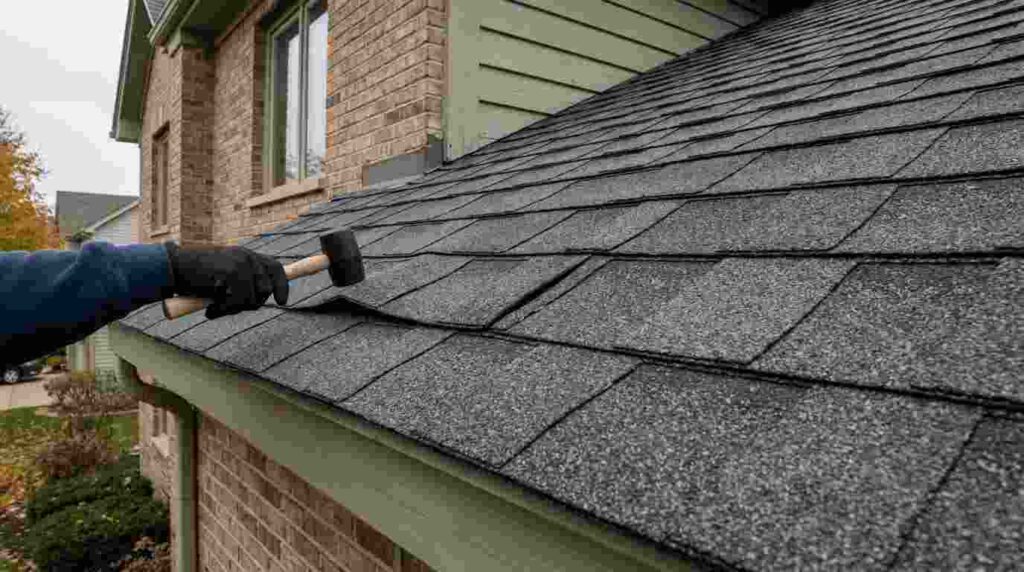
- Curling or cupping shingle edges.
- Cracking or brittle-looking surfaces.
- Excessive granule accumulation in gutters.
- Uneven or unusual shingle deterioration.
However, these symptoms do not prove that ventilation is responsible. Age, UV exposure, hail, installation quality and product characteristics can also affect shingle condition.
A roofing inspection can help determine whether the roof has ventilation problems, material deterioration or storm-related damage.
7. Peeling Paint or Water Stains on Upper-Floor Ceilings
Peeling paint, bubbling wallpaper and ceiling stains can indicate moisture entering the building structure.
Although homeowners often suspect a roof leak, the actual source could be condensation, plumbing leaks or inadequate bathroom ventilation.
If you notice recurring moisture damage on upper floors, inspect the attic and investigate:
- Roof penetrations and flashing.
- Bathroom exhaust ducts.
- Attic insulation.
- Ceiling air leaks.
- Roof decking and framing.
Identifying the moisture source is essential before repairing the visible damage.
8. Sagging or Warped Roof Decking
A visibly uneven roof surface or sagging roofline can indicate a serious structural issue.
Long-term moisture exposure may weaken roof decking, but other problems—including structural movement, damaged framing or excessive loads—can also cause sagging.
Do not walk on a roof that appears unstable. Arrange a professional inspection to assess the decking and supporting structure.
If the damage is confirmed, repairs may involve replacing affected sheathing or addressing underlying structural problems before installing new roofing materials.
Common Causes of Roof Ventilation Problems
Understanding the cause of poor attic airflow is just as important as recognising its symptoms.
Blocked soffit vents
Insulation, dust or debris can obstruct soffit openings and restrict incoming air.
Ventilation baffles can help maintain a clear airflow channel between the soffit and the attic, provided they are correctly installed.
Insufficient intake or exhaust ventilation
An attic may have too few vents or an imbalance between intake and exhaust capacity.
Adding more vents without calculating the overall ventilation requirements may not solve the problem.
Bathroom or kitchen exhaust fans venting into the attic
Exhaust fans should discharge to an appropriate exterior termination rather than releasing warm, moisture-laden air into the attic.
Improperly terminated ductwork can introduce significant moisture and contribute to condensation and mould growth.
Conflicting ventilation systems
Combining different ventilation types without a coordinated design can create unintended airflow patterns.
For example, certain combinations of ridge vents, gable vents and powered attic fans may interfere with the intended ventilation path.
A professional should assess the existing system before additional vents are installed or existing vents are sealed.
Sealed or damaged roof vents
Exterior painting, renovations, debris or damaged components may obstruct ventilation openings.
Regular inspection helps identify these problems before they affect the entire system.
How to Fix Roof Ventilation Problems
The right repair depends on the underlying cause. Simply installing another roof vent may not correct an issue involving insulation, air leakage or moisture.
| Identified problem | Potential solution |
| Blocked soffit vents | Clear obstructions and install appropriate ventilation baffles |
| Insufficient intake airflow | Add or improve soffit intake ventilation |
| Insufficient exhaust capacity | Assess and install suitable exhaust ventilation |
| Exhaust fan discharging into attic | Extend ductwork to an appropriate exterior termination |
| Conflicting ventilation systems | Redesign the ventilation arrangement for balanced airflow |
| Inadequate insulation | Improve insulation and address air leakage |
| Moisture or mould damage | Identify the moisture source and arrange appropriate remediation |
Repair costs depend on roof access, attic size, existing materials, labour and the extent of the problem. Obtain a property-specific estimate rather than relying on generic cost ranges.
Why balanced soffit and ridge ventilation can be effective
Many residential roofs use a combination of soffit intake vents and ridge exhaust vents.
When properly designed and installed, this arrangement can support consistent airflow along the roof deck.
However, it is not automatically the best solution for every property. Roof geometry, existing gable vents, attic configuration and manufacturer requirements all matter.
A roofing professional should evaluate the complete system before recommending changes.
Can You Add Roof Ventilation Without Replacing Your Roof?
Yes. In many cases, ventilation improvements can be made without replacing the entire roofing system.
Depending on the existing design, possible improvements include:
- Adding soffit intake vents.
- Installing ventilation baffles.
- Improving ridge ventilation.
- Repairing blocked or damaged vents.
- Correcting exhaust ductwork.
- Addressing insulation and air leakage problems.
Some projects require limited roofing modifications, while others may involve more extensive work.
The important step is to identify the actual cause of the ventilation problem before choosing a repair.
Are Powered Attic Fans a Good Solution?
Powered attic fans can move air through an attic, but they are not always the right choice.
If intake ventilation is inadequate, a powered fan may create negative pressure and draw conditioned air from the living space through ceiling gaps. This can increase energy use rather than improve overall efficiency.
Before installing a powered attic fan, consider:
- Whether the attic already has sufficient intake ventilation.
- Whether the fan is compatible with the existing system.
- Whether ceiling air leaks have been addressed.
- Whether passive ventilation would meet the property’s requirements.
A balanced passive system may be appropriate for many homes, but the best solution depends on the building design and ventilation assessment.
How Often Should You Inspect Your Roof Ventilation?
Regular inspections can help identify developing problems before they cause significant damage.
Consider checking the following:
During spring: Look for winter moisture damage, ice-dam evidence and blocked vents.
During summer: Check attic conditions, insulation placement and visible ventilation openings.
During autumn: Clear debris from accessible ventilation openings and inspect roof components before colder weather arrives.
After severe storms: Arrange a roof inspection if hail, wind or falling debris may have damaged roofing materials or vents.
Homeowners should avoid entering unsafe attic areas or walking on roofs. A qualified roofing professional can inspect difficult-to-access components safely.
Frequently Asked Questions
Q1. What are the most common signs of poor roof ventilation?
Ans: Common signs include excessive attic heat, condensation, frost, musty odours, mould-like growth, ice dams, moisture stains and blocked ventilation openings. These symptoms can also have other causes, so a proper inspection is important.
Q2. Can poor attic ventilation cause roof leaks?
Ans: Poor ventilation can contribute to condensation and ice-dam formation, both of which may lead to water damage. However, roof leaks can also result from damaged shingles, flashing failures and other roofing defects.
Q3. Can I add ventilation to an existing roof?
Ans: Yes. Additional soffit vents, ridge vents or other suitable ventilation components can often be installed without replacing the entire roof. The existing system should be assessed first to ensure the changes provide balanced airflow.
Q4. Do powered attic fans solve ventilation problems?
Ans: Not necessarily. Powered fans may help in some situations, but they can create pressure problems when intake ventilation is inadequate. A professional assessment should determine whether a powered or passive system is appropriate.
Q5. Can poor roof ventilation cause mould?
Ans: Poor ventilation may contribute to moisture accumulation, creating conditions that support mould growth. However, mould can also result from roof leaks, plumbing leaks and indoor humidity. The moisture source must be identified and corrected.
Q6. Does roof ventilation affect shingle lifespan?
Ans: Attic conditions can influence roofing performance, but shingle lifespan also depends on material quality, installation, weather exposure, maintenance and manufacturer specifications. Proper ventilation should be considered as part of a complete roofing system.
Q7. How do I know whether my attic has enough ventilation?
Ans: A professional can assess the attic’s net free ventilation area, intake and exhaust distribution, insulation and air leakage. Ventilation requirements depend on the applicable building code and the property’s design.
Q8. Should I inspect my roof ventilation after a hailstorm?
Ans: Yes. Severe weather can damage roof vents, flashing and shingles. An inspection can identify visible damage and help determine whether further repairs are necessary.
Contact 303 Roofers Before Ventilation Problems Become Expensive
Roof ventilation problems can develop gradually, but their consequences may affect your shingles, roof decking, insulation and indoor comfort.
Recognising early warning signs gives you an opportunity to investigate the cause and arrange the right repair before the damage becomes more extensive.
At 303 Roofers, we help homeowners across the Denver metro area assess roofing concerns and explore practical repair and ventilation solutions.
Whether you are dealing with excessive attic heat, moisture buildup, ice dams or damaged roof components, our team can help you understand the next steps.
Contact 303 Roofers to discuss your roof inspection and ventilation needs. You can also follow us on Facebook for roofing advice, seasonal maintenance tips and project updates.
Protect your roof by addressing ventilation issues before they turn into costly repairs.

Related Blog Articles